

Into The Texas Killing Fields
A Visit to the Bermuda Triangle of Serial Murder in the Lone Star State

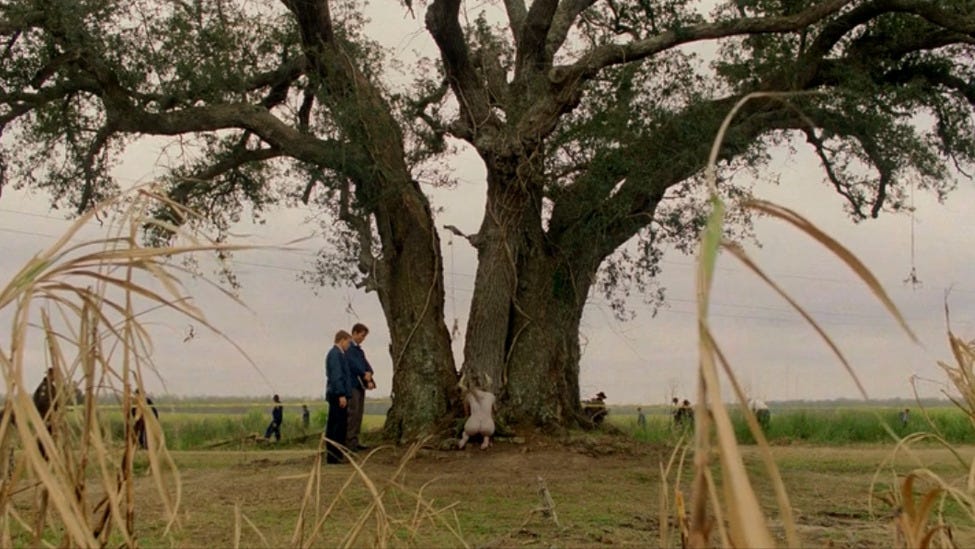
In the first episode of HBO’s True Detective, Season I (titled “The Long Bright Dark”), two cops examine the body of a young woman found tied beneath a tree in the bayou country of America’s Gulf Coast. Writer and show creator Nic Pizzolatto originally wanted to title this series Galveston, after his 2010 novel of the same name that was “set along the seedy wastelands of Galveston” (to quote the book’s back cover) in Texas’ southeastern bayou country.
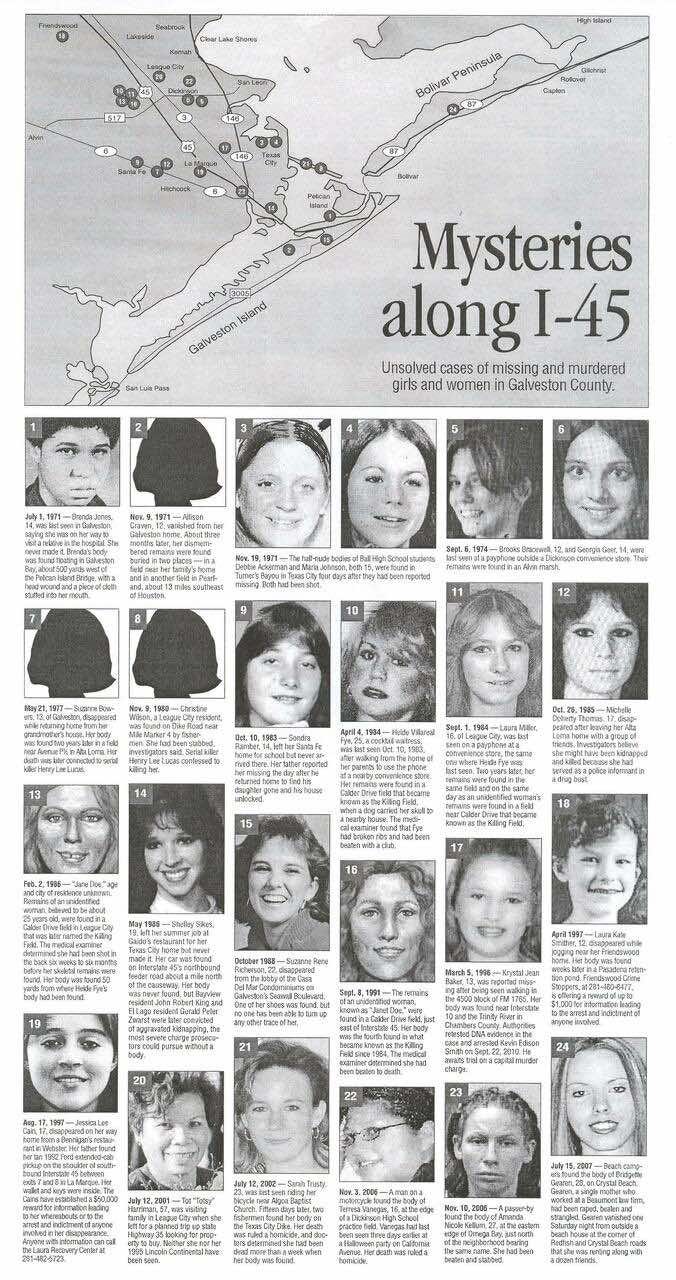
In that first episode of True Detective, we learn that the tree-bound murder victim’s name is Dora. But in real life, on February 2, 1986, a victim with a similar name, Laura, had been found posed beneath a tree, too—and this was near Galveston, as well. “Investigators are still trying to identify the body of a woman found in the woods off Interstate 45 between Houston and Galveston,” The Daily Telegraph reported at the time. “She had been tied to a tree, sexually assaulted, and then bludgeoned to death.” Like others, she had been murdered in the infamous Texas Killing Fields.
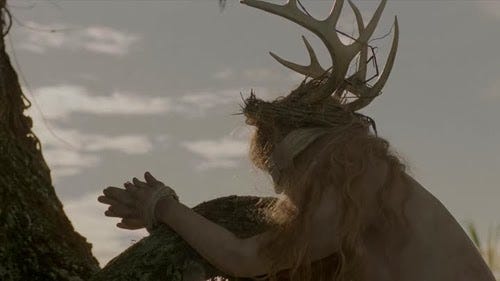
”One after another, after another, these ritualistic killings of young women, all set up in an array like some kind of work of art, started happening,” Skip Hollandsworth of Texas Monthly opined in Netflix’s three-part 2022 Crime Scene: Texas Killing Fields docu-series. “It was like the work of a brilliant but depraved serial killer.”
So what, exactly, are the “Texas Killing Fields”?
“The Texas Killing Fields” area has come to be thought of as something like a Bermuda Triangle of murder in the Lone Star State.
It’s a stretch of the I-45 Interstate (also called the Gulf Freeway) within Texas that connects Houston down to Galveston on the coast. Since the early 1970s, this area has attracted multiple serial killers and has served as a popular dumping ground for the bodies of at least 35 victims, probably more. Serial killers—or alleged serial killers—like Henry Lee Lucas*, Ed “Butch” Bell, Mark Stallings, William Reece, and Clyde Hedrick are all known to have either trolled for victims in the Texas Killing Fields—or they have claimed to have trolled for victims there—or they have been accused of trolling and murdering victims there. Others have been accused of using the Texas Killing Fields as a dumping ground for the bodies of victims murdered elsewhere.
One of the more disturbing aspects of the Killing Fields is that most of its cases remain unsolved. And, of course, the overwhelming majority of the Killing Fields’ victims have been girls and young women. To this day, the FBI maintains a live webpage that seeks information on the many unsolved Killing Fields murders.
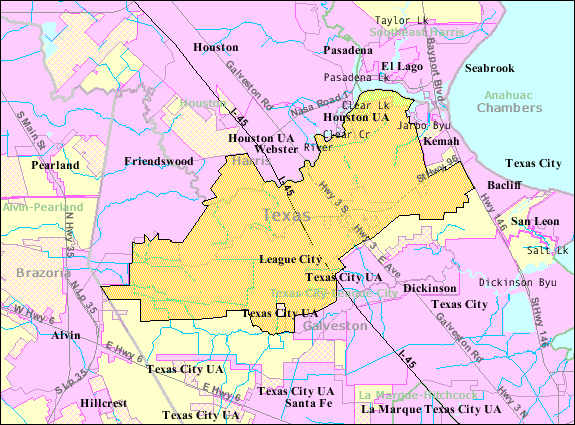
The epicenter of the Texas Killing Fields is the town of League City, Texas, a smaller town equidistant to—nestled exactly between—Houston and Galveston. (From League City, Houston is a 30-minute drive north; Galveston is about 30 minutes south.) Ironically, in the heyday of the Texas Killing Fields murders, League City’s population more than quadrupled from about 10,000 in 1970 to over 40,000 in 2000. In recent years residents have flocked south of Houston thanks to the skyrocketing cost of living there, so League City’s population has grown even more: As of 2020, League City boasts a population in excess of 115,000, a number more than 10 times its 1971 population, when the Texas Killing Fields murders began.
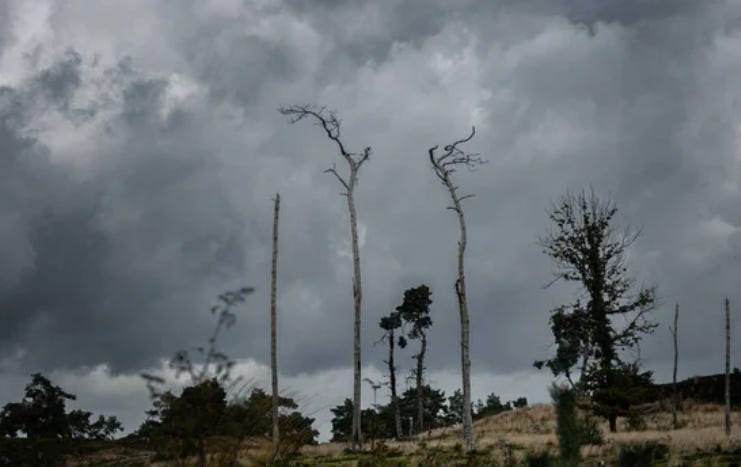
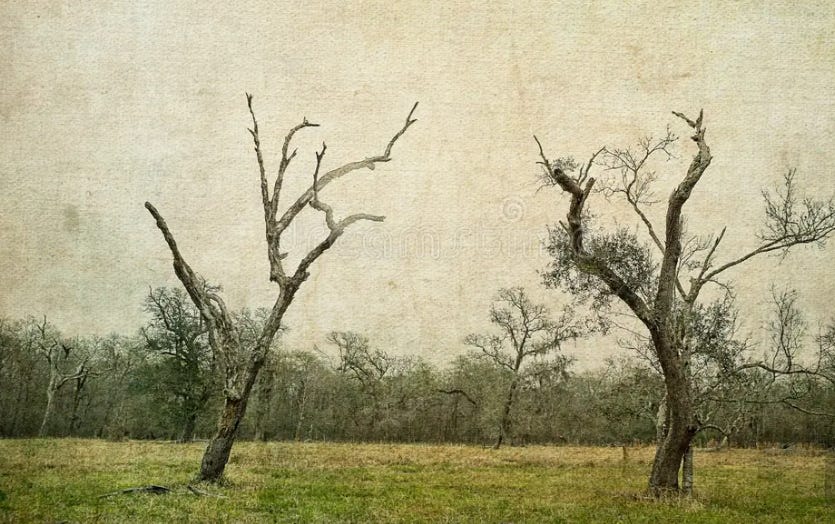
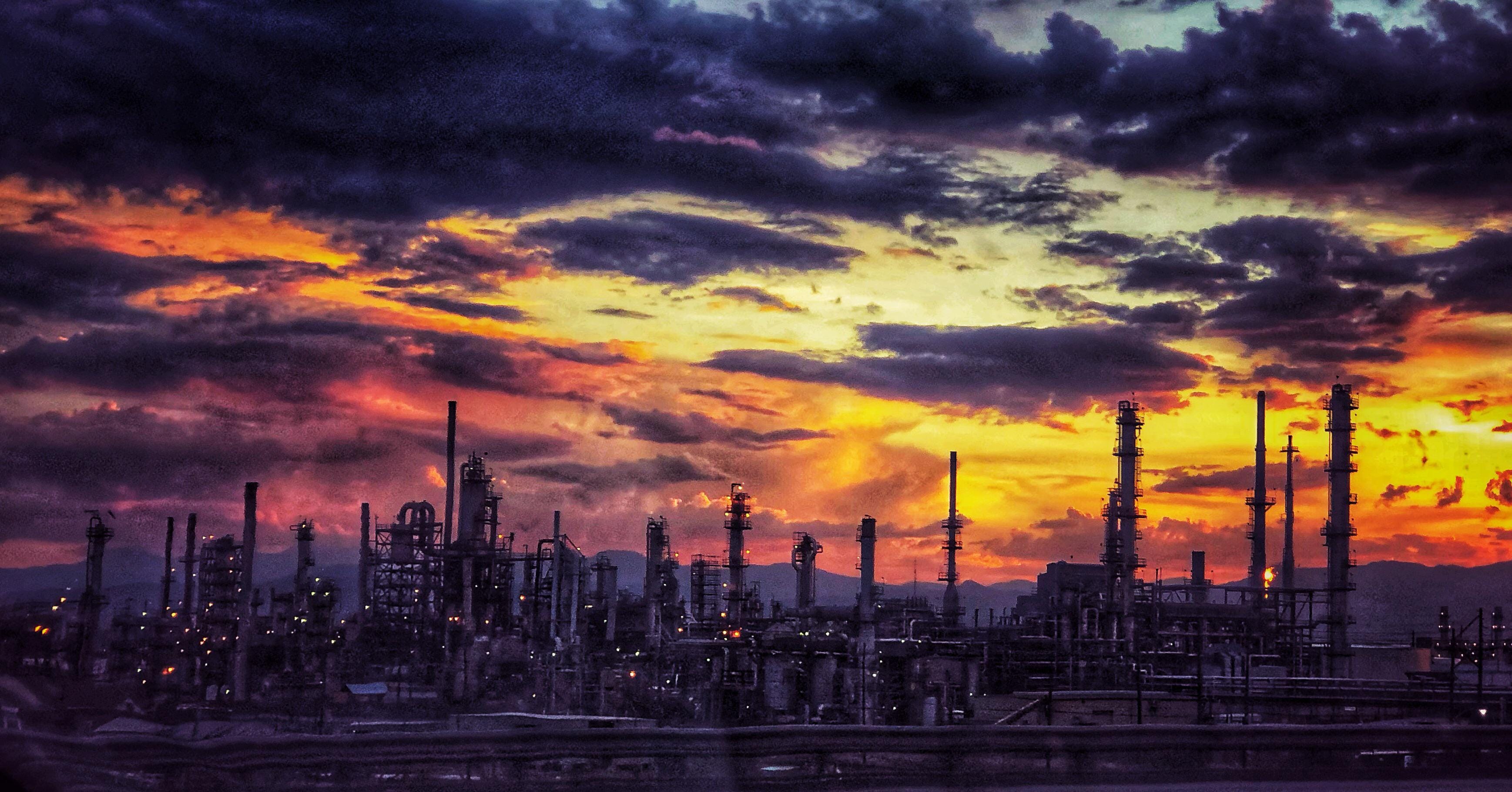
Other communities surrounding League City have played supporting roles in the region’s tales of carnage: The gritty petrochemical town of Texas City; the sleepy community of Friendswood; the evocatively-named small town of Hitchcock; the bedroom community of La Marque; and some other nearby communities (Alvin, Dickinson) have all seen their share of grisly discoveries that are part of the network of killings in the area. It’s this area’s many bayous, marshes, and groves of gnarled black oak trees—its waterways, spillways, sea walls, and desolate industrial and refinery zones—along the I-45 corridor between the barrier island of Galveston and the southern reaches of Houston that have provided tempting locales for murderers practicing—and, it seems, honing—their craft.
As Hugh Davies wrote in The Daily Telegraph when covering the phenomenon in the late 1980s, “This area, known as ‘the Killing Fields of I-45,’ is full of bayous, oil fields, forests, and cattle ranches. Police believe the road is being used for attacking women and dumping bodies from killings elsewhere.” Davies quotes FBI special agent Don Clark, who notes, “It appears there may be multiple serial killers.”
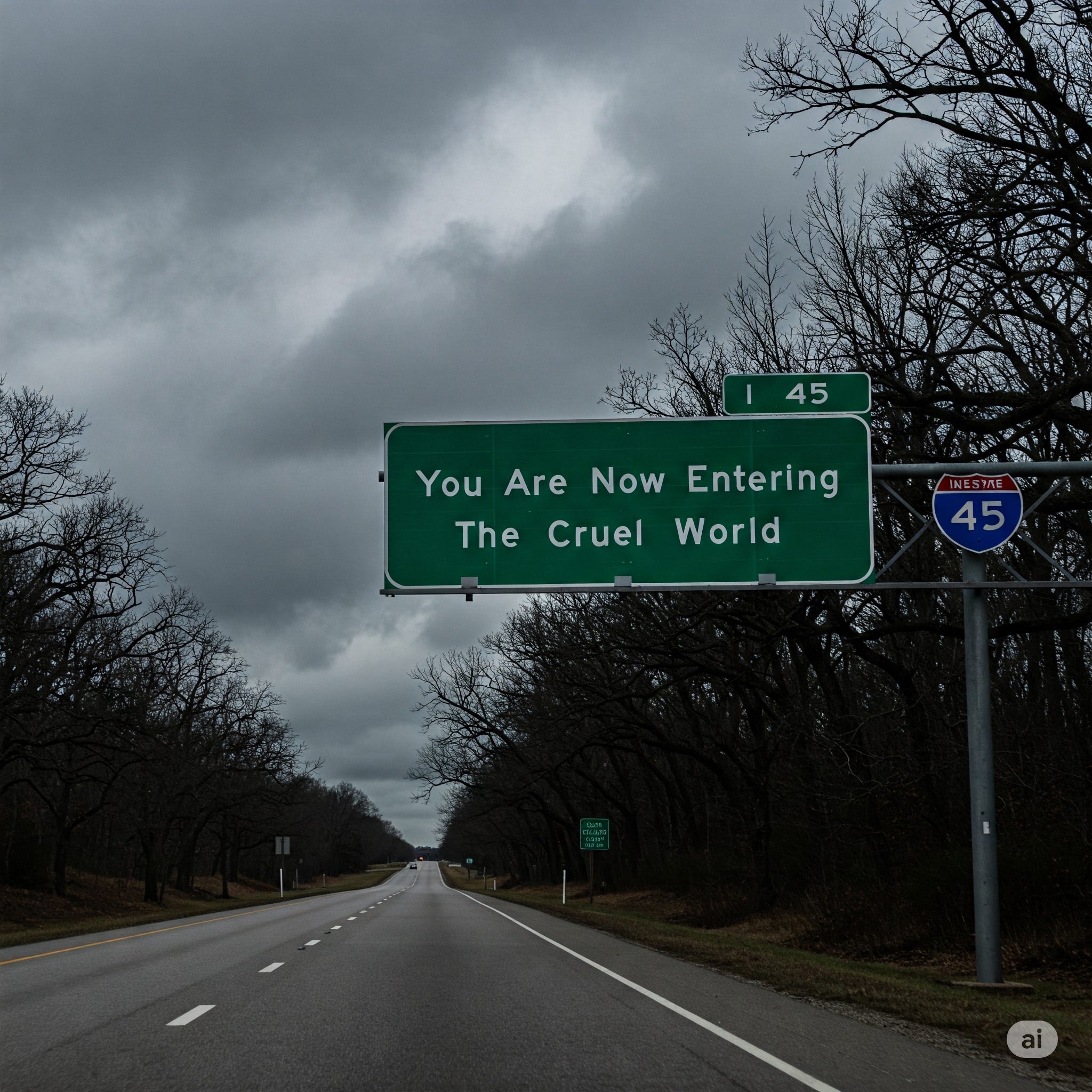
At one point, a sign reading YOU ARE NOW ENTERING THE CRUEL WORLD was placed at the beginning of the approximately 50-mile stretch of road that cuts through the heart of the Killing Fields. “This bridge up ahead had a sign on it when you came out in this direction—it said, ‘You are now entering the cruel world,'” ex-DEA agent Don Ferrarone told CBS News when discussing the area with 48 Hours in 2018. “It's just, you know, it's just a perfect place [for] killing somebody and getting away with it. If you can just imagine having one of these little girls out here—one of these young girls out here—there’s no chance for them to be rescued, to be helped.” Ferrarone parlayed his knowledge of the area into the screenplay for the (mediocre) 2010 Texas Killing Fields movie.
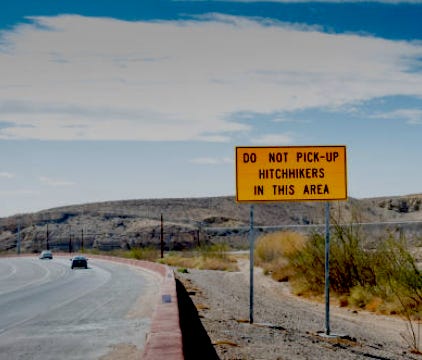
The Texas Hill Country publication puts none too fine a point on the matter when it reports, “Since the 1970s, a 50-mile desolate area has often been referred to as the ‘Highway of Hell’ between Houston and Galveston.”
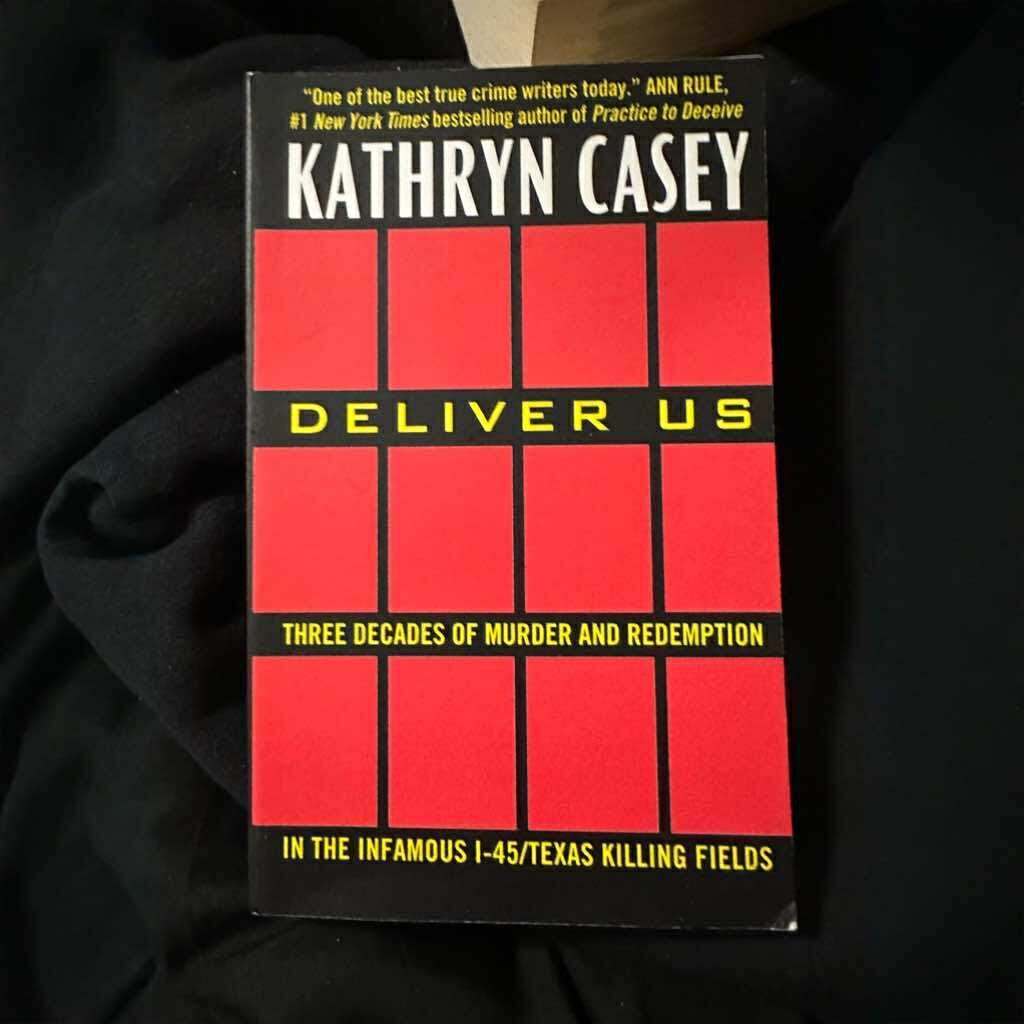
Interestingly, in her 2015 book Deliver Us: Three Decades of Murder and Redemption In the Infamous I-45/Texas Killing Fields—regarded by many as the definitive book on the topic—writer Kathryn Casey maintains that “the Texas Killing Fields” are as much a series of events over a specific period of time as they are a geographic locale: “I can’t remember the first time I encountered an article in the Houston Chronicle that detailed a strange phenomenon along Interstate 45, beginning south of the city and extending onto Galveston Island,” she writes. The “strange phenomenon” was, of course, the frequent discovery of dumped and murdered bodies across three decades—the 1970s, 1980s, and 1990s—that gave the Texas Killing Fields their ominous name.
The Calder Rd. Killing Field
In much of the coverage of the Texas Killing Fields, one particular 25-acre patch of land is often singled out: the Calder Oil Field in League City, Texas. If League City is the epicenter of the Texas Killing Fields, the Calder Road Field is its omphalos—its locus horridus. It was in this specific field that, starting in 1983, the bodies of dead women started being found beneath trees, posed in a manner described near the beginning of this article. By 1991, four dead women had been deposited into this one field.
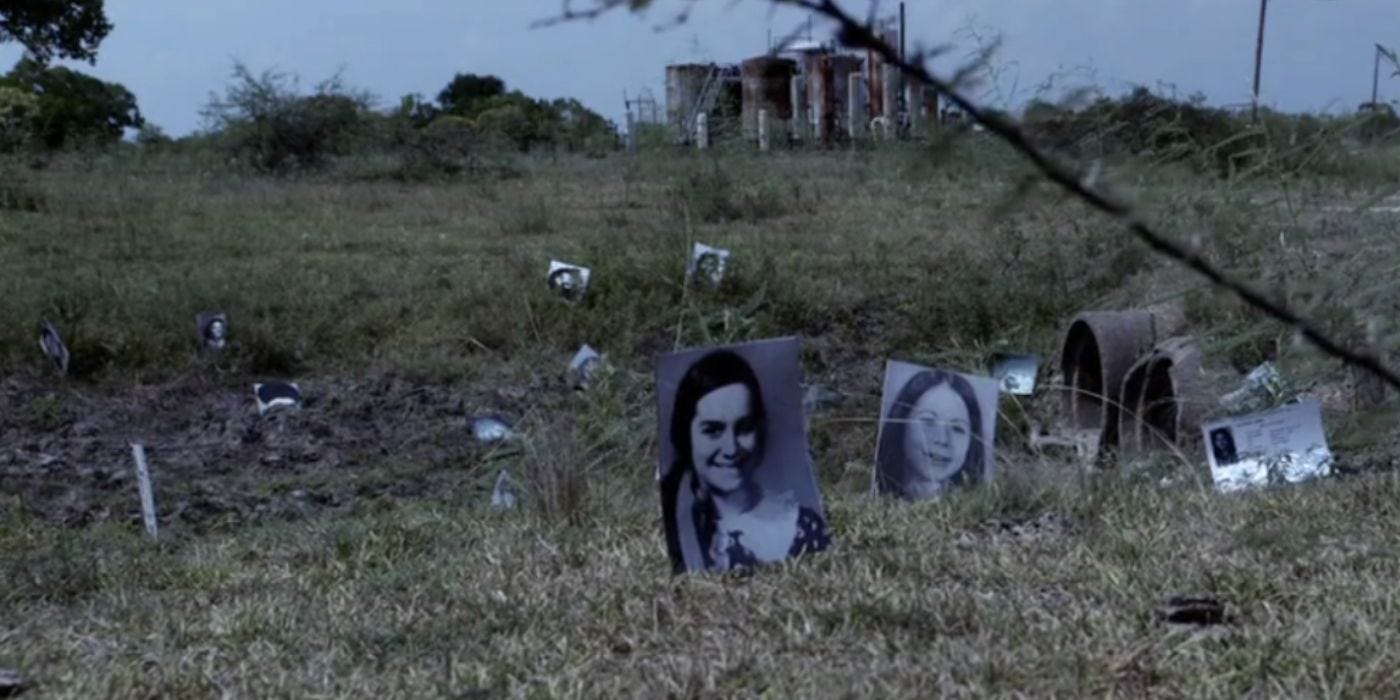
The Calder Road killings were initially thought to be the work of Robert Abel, a NASA engineer who owned land adjacent to the Calder Road property. Investigators eventually cleared Abel, but this occurred only years after his reputation had been irreparably ruined by dogged media coverage and the resulting years of harassment. Abel passed away in odd circumstances, too, in what might have been a suicidal act, the victim of an oncoming train at a railroad crossing where his golf cart had apparently stalled.
Author Kathryn Casey has defended Abel and, like many, insists that it is actually Clyde Hedrick who is to blame for most of the Calder Road killings, a finding supported by most other credible sources I’ve read.
The thing is, even if all four of the Calder Road killings could be pinned to alleged serial killer Clyde Hedrick, that’d mean only 4 of the 30+ Texas Killing Fields murders would be accounted for—or only about 1/7th of them. The tragic story of Robert Abel, falsely accused and harassed until his dying day as the guilty serial killer responsible here, illustrates well the dangers of internet lynch mobs, “true crime nerds,” and unqualified, armchair criminologists (or, possibly worse, un-degreed and self-professed “psychology experts”) becoming stridently and overly involved in affairs like these. Unfortunately, ruining the lives of complete strangers has become something of a cottage industry in America’s social media-saturated cultural landscape. And more’s the pity.
Another interesting factoid about the Texas Killing Fields: It’s been reported that there was once even a bar, The Texas Moon, that was a well-known hangout of many of the characters—and reputed serial killers—involved in the events of the Texas Killing Fields in the 1980s. For better or worse, the bar is no longer there. (It was apparently located at the Highway 3 and 518 (Main St.) intersection in League City.)
Slowly, a Dark Tourism service or two has tried to capitalize on the region's reputation, offering “ghost tours” near the Calder Road oil field and related areas. A church has purchased the Calder Road field and is working on transforming it into what they call a “Healing Field.”
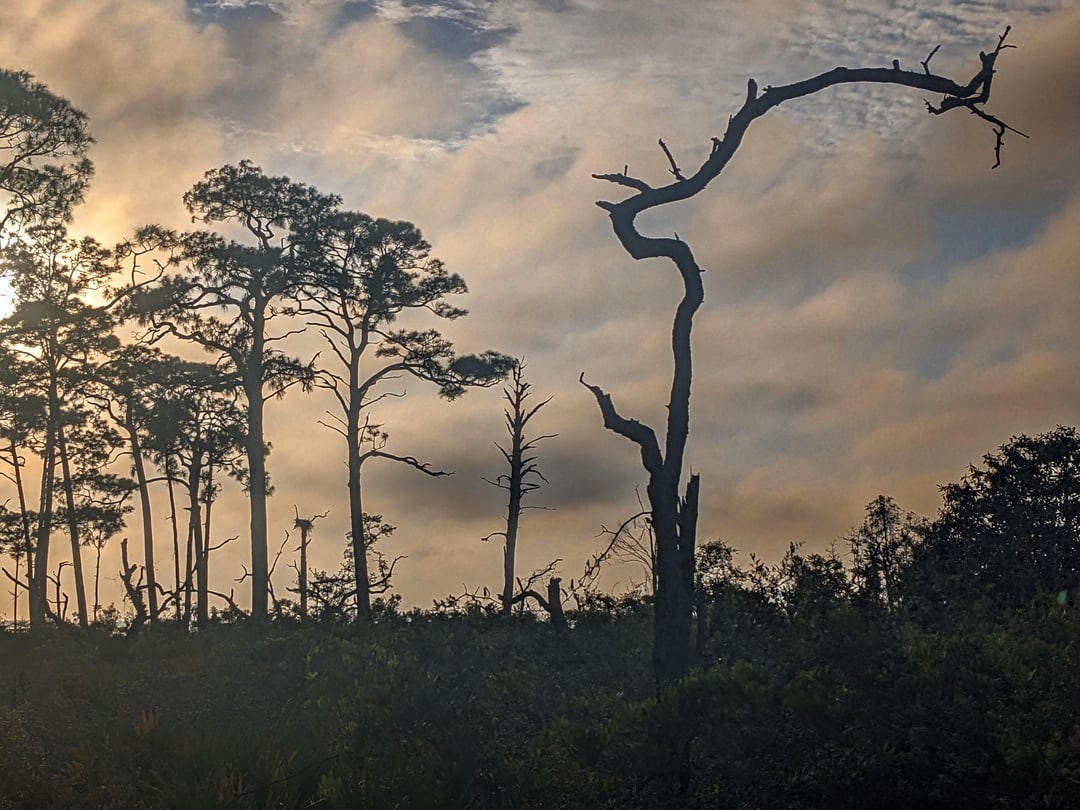
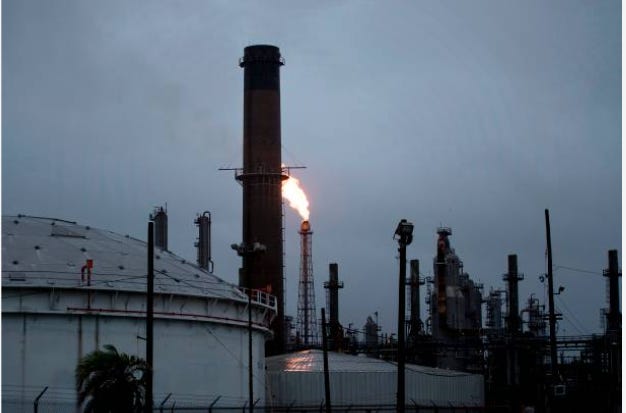
Myself, I’ve coincidentally driven through the 1-45 Texas Killing Fields route twice—once by myself and once with a friend after returning from a spontaneous trip to New Orleans in the late 1990s. This was before I was aware of the region's dark reputation. Then, as now, I had little interest in true crime, much less anything smacking of true crime tourism. Nevertheless, I do vividly recall the bizarre landscape of the area at night as it rolled by my passenger window. There is nothing quite so nightmarishly surreal as suddenly seeing the flaming smokestack of an oil refinery in the distance amid a backdrop of dead black oak trees while smelling the dank saltwater marshes around you. Evocative? Yes. A place I’d like to call home? Not really.
As this post has reached the email word limit, yet I’ve more thoughts on this subject, I’ll continue this thread in another post.
date night